Cut Flower Care: A Guide to Brilliant Blooms
Posted on 16/06/2025
Cut Flower Care: A Guide to Brilliant Blooms
Fresh-cut flowers have an unparalleled ability to brighten any space, transform your mood, and bring a touch of nature's elegance into your home. However, their fleeting beauty often leaves us wanting more. Proper cut flower care is essential for ensuring your floral arrangements remain vibrant and attractive for as long as possible. This comprehensive guide reveals the best practices and expert tips to care for cut flowers, turning your blooms into brilliant, long-lasting centerpieces.
Why Proper Cut Flower Care Matters
The journey from garden to vase can be stressful for flowers. Without a root system, cut flowers lose their main lifeline. Effective cut flower care not only extends their lifespan but also preserves their color, scent, and freshness. Whether you've grown them yourself or picked up a stunning bouquet from a florist, understanding how to care for cut flowers is the key to getting the most enjoyment from every stem.
- Prolongs vase life - Flowers can last weeks instead of days with the right care
- Reduces bacterial growth that causes wilting and bad odors
- Maximizes aesthetic appeal for your home or special events
- Encourages good sustainability through less waste
Essential Supplies for Vase Flower Care
Getting your supplies ready is the first step in effective vase and bouquet care. Gather the following items to ensure you provide optimal conditions for your blooms:
- Sharp floral scissors or a clean, sharp knife
- A clean vase, free from residue or bacteria
- Fresh, cool water (preferably filtered or distilled)
- Commercial flower food sachet or DIY flower preservative
- Optional: Bleach, vodka, lemon juice, or sugar for homemade solutions
Step-by-Step Guide to Caring for Cut Flowers
1. Choose the Right Vase
Select a vase that fits the stem length and size of your bouquet. Taller flowers need tall vases for support, while short-stemmed varieties thrive in squat containers. Always clean your vase thoroughly with soap and hot water before use to eliminate bacteria that can shorten flower life.
2. Prepare and Trim the Stems
Trimming your stems correctly dramatically boosts water absorption and longevity.
- Cut each stem at a 45-degree angle, removing at least one inch from the base.
- Use sharp shears or a non-serrated knife to avoid crushing the stems.
- Recut every 2-3 days to keep water uptake channels open.
- Remove all foliage below the waterline to prevent bacteria.
3. Hydration: The Heart of Cut Flower Care
Fresh water is crucial. Flowers drink a surprising amount, especially in the first few hours after being cut.
- Fill the vase two-thirds full with cool, clean water.
- Add commercial flower food or a homemade floral preservative.
- Change water every two days, rinsing the vase to remove any slimy buildup.
4. Feeding Your Blooms: Flower Food Secrets
Flower food contains the right blend of nutrients, acidity modifiers, and anti-bacterial agents to keep your flowers at their best. If you're in a pinch, a simple homemade mix of sugar, a drop of bleach, and lemon juice can mimic commercial solutions. The sugar nourishes, the bleach prevents bacteria, and the acidifies the water, improving uptake.
- 1 teaspoon sugar
- 2 teaspoons lemon juice
- 1 drop of bleach (or vodka)
- 1 quart (liter) water
Stir until dissolved and avoid overusing bleach, which can harm petals and foliage.
5. Ideal Placement and Environment
Where you display your cut flowers influences their longevity. Keep arrangements away from direct sunlight, heat sources, and fruit bowls (fruits emit ethylene gas, which speeds up wilting). Cool, shaded locations away from drafts are ideal.
- Never place flowers near heating vents, radiators, or electronics.
- Avoid windowsills with strong sunlight.
- Keep away from ripening fruit and vegetables.
6. Daily TLC: Your Cut Flowers Maintenance Routine
*Inspect your arrangement each day.* Remove wilted or dead flowers, recut the stems, and replenish water and flower food as needed. This regular maintenance will help you achieve the longest-lasting cut flowers possible.
Special Tips for Different Flower Types
Roses
Roses are sensitive to bacteria and blockage at the stem base. Remove guard petals and always cut stems underwater to prevent air bubbles. If heads droop, recut and place in warm water briefly.
Lilies
Remove the pollen-laden stamens to prevent staining and allergies. Change water frequently, as lilies can be prone to fungal issues.
Tulips
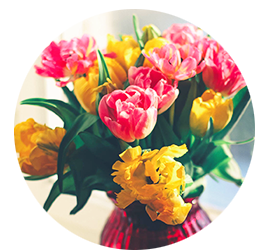
Tulips continue to grow in the vase! Select a taller vase for their stretching stems, and avoid deep water (just a few inches is best).
Hydrangeas
Hydrangeas are notorious for wilting quickly. Submerge whole heads in cool water for a few hours to revive them, and mist the blooms daily.
Arranging Your Bouquet for Maximum Impact
A stunning floral arrangement is more than just placing fresh flowers in a vase. Follow these professional florist strategies:
- Start with greenery or filler at the base, creating a scaffold for your focal flowers.
- Add the largest blooms first, then weave in delicate varieties for texture and color contrast.
- Rotate the vase as you build to ensure a 360-degree display.
- Group odd numbers of each type for a natural, garden-fresh look.
Common Cut Flower Care Mistakes to Avoid
Even seasoned flower enthusiasts can make simple mistakes that shorten the lifespan of their bouquets. Avoid these common pitfalls to enjoy vivid, long-lasting blooms:
- Neglecting to change the vase water regularly
- Leaving excess leaves submerged in water
- Forgetting to recut stems every few days
- Placing arrangements in direct sun or heat
- Overcrowding the vase, limiting air circulation
DIY Flower Preservative Recipes
If you're out of commercial flower food, try one of these effective homemade options:
- Lemon-Lime Soda Solution: Mix 1/4 cup of clear soda, 1/4 cup water, and a few drops bleach.
- Apple Cider Vinegar Mix: Combine 2 tablespoons apple cider vinegar, 2 tablespoons sugar, 1 quart water.
- White Vinegar and Sugar: Stir 2 tablespoons white vinegar, 2 tablespoons sugar into 1 liter of water.
Always ensure additives are fully dissolved before placing flowers in the solution.
Frequently Asked Questions About Cut Flower Care
How long should cut flowers last?
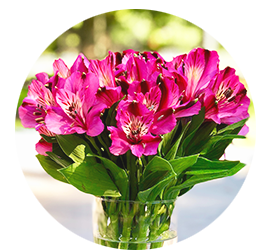
With optimal flower care, bouquets typically last 7-14 days, though some varieties, like alstroemeria or chrysanthemums, may last up to three weeks.
Can I revive wilting cut flowers?
Yes! Try recutting the stems and submerging wilted flowers in lukewarm water for 30-60 minutes. Hydrangeas and roses often respond especially well to this treatment.
Is it necessary to use flower food?
While not strictly necessary, flower food significantly improves vase life compared to water alone by nourishing stems and preventing bacterial growth.
Does aspirin extend the life of cut flowers?
Aspirin can slightly acidify the water, but it is not as effective as dedicated flower foods or homemade preservatives that also include sugar and anti-bacterial agents.
Cut Flower Care for Special Occasions
Whether it's weddings, Valentine's Day, or simply a treat for yourself, follow these extra steps for event-worthy blooms:
- Purchase or cut flowers a day early, allowing them to hydrate and open before the big day.
- Keep arrangements in a cool, dark room overnight for peak freshness.
- Mist flower heads gently to restore turgidity before displaying.
Eco-Friendly Tips for Cut Flower Care
Sustainable flower care starts with eco-conscious choices:
- Opt for locally grown or seasonal flowers to reduce carbon footprint.
- Compost flower heads and stems after they fade.
- Reuse clean vases and water for houseplants when possible.
- Create potpourri or pressed flower art with petals as a creative keepsake.
Conclusion: Make Every Bloom Brilliant and Lasting
Caring for cut flowers is both an art and a science. By following the guidance in this comprehensive cut flower care guide, you'll ensure your floral arrangements stay vibrant, fresh, and beautiful for longer. Not only will you enjoy the aesthetic rewards, but you'll also foster a deeper connection to the natural world and invest in meaningful sustainability.
For every stem and every celebration, let your blooms shine their brightest. Employ these tried-and-true cut flower care tips--from hydration and feeding to artful arranging and eco-friendly disposal--and discover the lasting joy that healthy, brilliant blooms can bring to your space.