Explore the Cultural Significance of Peony Hues
Posted on 03/06/2025
Introduction to the Allure of Peony Hues
The peony flower is much more than a botanical marvel; it is a timeless symbol that captures the hearts of people across various cultures. The hues of peonies--ranging from delicate blush pinks to deep cranberry reds, snow whites, and luminous yellows-- carry with them a legacy of meaning, artistry, and tradition. In this comprehensive exploration, we unravel the cultural significance of peony hues, discover their symbolism, and reflect on why these enchanting colors inspire, heal, and unite societies around the world.
The Symbolic Power of Peony Colors Throughout History
The color of a peony is never just a pigment--it's a messenger. For centuries, different peony hues have been revered as emblems of beauty, fortune, and prosperity. Their influence extends from ancient dynasties to contemporary cultures, impacting art, fashion, and even social customs.
Peony Pink: The Shade of Romance and Nobility
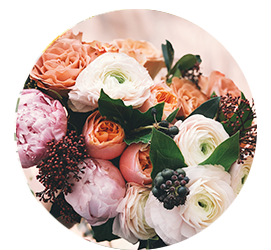
Pink peonies are perhaps the most iconic of all peony hues, often symbolizing romance, love, and grace. This soft, inviting color is traditionally used in wedding bouquets and decorations, representing not only budding romance but also the noble virtue and feminine beauty. In Chinese culture, pink peonies are regarded as the "Queen of Flowers," associated with royalty and honored in poetry, painting, and court ceremonies.
- Romantic Gestures: Pink peonies in bouquets express affection and admiration.
- Noble Status: Aristocrats in ancient China coveted pink peonies as status symbols.
- Celebratory Events: Used in festivals and parades to herald prosperity and harmony.
Peony Red: Luck, Honor, and Passion
The vibrant red peony stands for luck, wealth, and respect, making it a precious decoration during festive Chinese holidays such as the Lunar New Year. Red is considered an auspicious color in many Asian societies, believed to ward off evil spirits and attract joy.
- Symbol of Bravery: Red peonies feature in heroic folktales and martial arts stories.
- Wedding Decor: Used to bless couples with happiness and enduring love.
- Emblem of Success: Offered for promotions, business openings, and graduations.
White Peonies: Purity and Remembrance
The white peony flower is a symbol of purity, innocence, and modesty in many cultures. In Japan and Korea, the white peony is seen at spiritual rituals and remembrance services. Additionally, its simple elegance represents new beginnings or farewells, making it a popular choice for both weddings and funerals.
- Ceremonial Purity: Used in temples and rituals as an offering of heartfelt intentions.
- A Symbol of Apology: Given with sincere apologies or as a sign of reconciliation.
- Renewal: Represents a clean slate or fresh start in literature and art.
Yellow and Golden Peonies: Wealth and Prosperity
Though yellow peonies are rarer, their radiant color is synonymous with riches, growth, and high status. In imperial China, golden peonies decorated royal estates and adorned official regalia. Even today, yellow peony hues are gifts of encouragement and hope, given to loved ones pursuing new opportunities or recovering from hardships.
- Imperial Splendor: Reserved for emperors and highest-ranking nobles in ancient times.
- Symbol of Growth: Linked with spring, rejuvenation, and new ventures.
- Blessings of Abundance: Thought to manifest success and good fortune.
The Role of Peony Hues in International Art and Design
The cultural significance of peony colors extends far beyond garden aesthetics. Across the world, artists, designers, and craftspersons have drawn inspiration from peony hues to create memorable works that capture both local identities and universal values.
Peonies in Chinese Painting and Calligraphy
The art of Chinese brush painting is lush with images of lavish peonies. Red and pink peony blossoms often symbolize honor and good fortune, while white peonies provide a spiritual contrast, set against intricate landscapes. Paintings featuring peony colors are gifted during important milestones such as graduations and weddings to bless recipients with prosperity and joy.
European Florals and the Peony Palette
In European horticulture and fine art, the peony's romantic colors have historically adorned the palettes of renowned painters such as Pierre-Auguste Renoir and Vincent Van Gogh. In the Victorian language of flowers, pink peonies express bashfulness, while deep reds evoke a sense of honor and devotion. These cultural codes found their way into tapestries, decorative china, and even modern fashion prints.
Modern Interpretations: Peony Hues in Fashion and Decor
The timeless elegance of peony-inspired hues has influenced contemporary fashion, from haute couture runways to minimalist home design. Bold peony pinks and dramatic crimsons are popular choices for statement pieces, while softer tones dominate wedding palettes and interior accent walls.
- Textiles: Fabrics dyed in peony tones convey luxury and femininity.
- Accessories: Jewelry and handbags often feature peony-motif studwork.
- Interior Design: Peony colors add warmth and vibrancy to modern spaces.
Cultural Traditions Rooted in Peony Hues
Peony flower colors are woven into the fabric of rituals, celebrations, and daily life. Let's explore some of the most notable traditions that honor the peony's varied palette:
Chinese Peony Festivals
China's love affair with peonies reaches its peak during elaborate peony festivals. In cities like Luoyang and Heze, sprawling gardens burst into vibrant displays of every imaginable peony hue. Each color carries a special intention; pink for beauty, white for dignity, red for happiness, and gold for wealth. These festivals attract millions of tourists annually and serve as a reminder of the flower's role as China's "national beauty."
Japanese Peony Symbolism: Botany and Bushido
In Japan, the peony (known as botan) is revered for both its stunning appearance and its symbolic connection to samurai virtues. The contrast of the flower's soft hues with its strength in surviving harsh climates is seen as an allegory for the perfect balance of grace and resilience required by warriors. Tattoo art, in particular, often features peony designs in radiant reds, pastel pinks, or pure whites.
Western Wedding Customs
In the West, peonies are a favored flower in wedding bouquets and arrangements. Pink and white peonies are chosen to represent new love, enduring happiness, and a blissful future. The tradition of incorporating peony hues into weddings stems from the belief that the flower's lush, overflowing petals would bring fertility and luck to the married couple.
Healing and Wellness: Peony Hues in Holistic Traditions
Beyond their aesthetic charm, peony colors possess therapeutic and spiritual qualities in many cultures. For centuries, peony extracts have been used in traditional medicine, while peony-inspired hues are believed to affect mood and wellbeing.
Traditional Medicine and the Meaning of Colors
In Traditional Chinese Medicine (TCM), the color of a peony root or blossom is said to influence its healing properties. Each hue is associated with different organs and emotional states:
- Red Peony: Used to invigorate the blood and treat menstrual disorders.
- White Peony: Calms the liver and soothes emotional agitation.
- Purple and Lavender Peonies: Associated with spiritual clarity and balance.
The Psychology of Peony Hues
Modern color psychology continues to echo the ancient reverence for peony tones:
- Pink hues foster tranquility, self-compassion, and openheartedness.
- Rich reds boost energy, confidence, and motivation.
- Soft whites and creamy yellows evoke cleanliness, optimism, and peace.
Gardening and Cultivation: Cherishing the Diversity of Peony Hues
Gardeners worldwide value the cultural significance of peony flower shades not only for their beauty but also for their emotional resonance. Each spring, the unveiling of new peony colors in home gardens and public parks marks the renewal of hope and the cyclical nature of life.
- Heritage Varieties: Certain peony cultivars are preserved as living heirlooms, their colors passed down through generations.
- Community Plantings: Peony festivals and competitions celebrate the diversity of peony hues within local horticultural societies.
- Global Exchange: The trade of peony roots and seeds fosters international friendship and cultural appreciation.
Conclusion: The Enduring Magic of Peony Hues
The cultural significance of peony hues is profound and ever-evolving. From ancient dynasties to modern-day celebrations, the rich symbolism held in each peony color blends the personal with the communal, the past with the present. Whether experienced in a painting, a wedding bouquet, a vibrant festival, or a tranquil garden, peony hues remind us of beauty, renewal, and the universal language of color. Exploring and celebrating the many facets of peony flower colors offers a deeper appreciation for both nature and our shared cultural heritage.
Let us continue to honor the peony and its colors--for in every petal, there is a story, a wish, and a timeless connection to the world around us.