Unravel Seven Little-Known Secrets About Tulips
Posted on 20/06/2025
Unravel Seven Little-Known Secrets About Tulips
Tulips are among the most beloved flowering bulbs, adorning gardens and landscapes across the globe. While their colorful blooms are instantly recognizable, this iconic flower has a fascinating story--one that extends far beyond Dutch windmills and springtime festivals. Are you ready to dive deeper into the enchanting world of tulips? Discover seven little-known secrets about tulips that will leave you amazed and eager to plant your own!
1. Tulips Aren't Actually Native to Holland
Although the Netherlands is synonymous with endless fields of tulips, these beautiful flowers are not native to Dutch soil. The true origin of tulips lies far to the east--in the mountainous regions of Central Asia. Countries such as Kazakhstan, Uzbekistan, and parts of Turkey were home to wild tulip species long before they ever reached European shores.
How Did Tulips Travel to Europe?
- The 16th-century botanical craze took off when Ottoman Empire sultans showcased tulips in their palace gardens in Istanbul.
- European diplomats and traders visiting these gardens were captivated by the blooms, prompting the spread of tulip bulbs to Western Europe.
- By the late 1500s, tulips had reached the Netherlands, where they eventually became the nation's floral symbol.
Fun Fact: The word "tulip" is said to derive from the Persian word for "turban," as the flower's shape resembles the traditional headwear.
2. "Tulip Mania": The First Economic Bubble
One of the most fascinating secrets about tulips is their starring role in what is widely considered the world's first recorded financial bubble. During the Dutch Golden Age in the early 17th century, tulip bulbs became more valuable than gold, and the feverish rush to own rare varieties led to eye-popping prices.
What Was Tulip Mania?
- At the peak of the craze (1634-1637), a single rare tulip bulb could sell for the equivalent of a luxurious house on Amsterdam's canal.
- The speculative bubble burst in 1637 when buyers refused to pay the high prices, triggering panic across Dutch markets and massive losses for speculators.
Tulip Mania is still cited by historians and economists as a cautionary tale about irrational exuberance and speculation.
3. Tulips Are Edible - But Proceed With Caution!
While it's true that tulips are primarily grown for ornamental purposes, they also hide an edible secret. During times of scarcity--such as the Dutch "Hongerwinter" toward the end of World War II--desperate citizens ate tulip bulbs as a food substitute.
Can You Eat Tulip Bulbs?
- The petals of some tulip varieties are edible and have a mild, slightly sweet flavor. They make striking garnishes for salads and desserts.
- However, tulip bulbs contain alkaloids that can be toxic if consumed in large quantities, causing stomach upset and other adverse effects.
- Only eat tulip petals or bulbs if you are absolutely certain about the variety and that no pesticides or chemicals have been used.
Always consult an expert before experimenting with tulips in the kitchen.
4. The Science Behind Tulip Colors
One of the wonders of tulips is their astonishing palette--from pure whites and sunny yellows to blood reds, deep purples, and even near-black blooms. But did you know that a mysterious virus is partly responsible for some of the most striking patterns in historical tulip varieties?
The Role of Tulip Breaking Virus
- During the era of Tulip Mania, "broken" tulips with feathered or flamed petals were the most prized.
- This stunning coloration was caused by the Tulip breaking virus (TBV), which disrupts pigment production.
- While beautiful, the virus ultimately weakens the tulip plant, making modern breeders opt for naturally variegated types instead.
Modern tulip hybrids now mimic these effects naturally, allowing growers to enjoy dramatic flowers without the risk of viral infection.
5. Tulips as a Symbol of Love, Charity, and More
Tulips carry deep symbolic meanings across cultures and have been associated with everything from eternal love to perfect charity and renewal. Their vibrant appearance and simple, unadorned form have held a special place in art, poetry, and folklore for centuries.
The Meaning Behind Tulip Colors
- Red tulips: A classic declaration of love, passion, and romance.
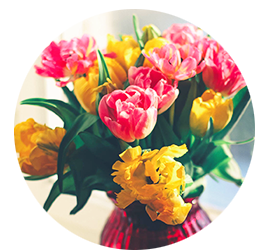
- Yellow tulips: Joy, cheerfulness, and hope--once thought to symbolize unrequited love but now associated with happiness.
- Purple tulips: Royalty, nobility, and admiration.
- White tulips: Forgiveness, purity, and honor.
- Variegated tulips: "Beautiful eyes" and admiration for someone's unique qualities.
Gifting tulips can convey nuanced messages depending on color and arrangement--making them a timeless choice for any occasion.
6. Tulips Can Move and Even "Dance"
An extraordinary tulip fact that surprises many gardeners is that these flowers are actually responsive to their environment--often in subtle ways. Tulips can open and close their petals in response to temperature and light, creating the effect of a flower that "dances" throughout the day.
The Secret Behind Tulip Movement
- On sunny days, tulip petals open wide to soak up light and invite pollinators.
- At night or on cloudy, cold days, the petals close to protect the delicate inner organs.
- This movement is controlled by changes in water pressure within the cells, known as turgor pressure.
Some cut tulips will even keep growing and bending toward the light for days after being placed in a vase!
7. New Tulip Varieties Take Years to Develop
Ever wondered how so many different kinds of tulips appear every spring? Creating a new tulip variety is a labor of love that can take over a decade from first cross-pollination to commercial release.
The Intricate Work of Tulip Breeding
- Hybridizers painstakingly hand-pollinate tulip flowers to combine desired traits, such as color, petal shape, or disease resistance.
- The resulting seeds are grown, and the first blooms may not appear for up to 5 years.
- Only a handful of seedlings will show commercially viable qualities--meaning patience and skill are essential.
The result: There are now over 3,000 registered tulip varieties worldwide, each offering something unique to gardeners and flower aficionados alike.
Bonus: Tulips Are Eco-Friendly Garden Superstars
Here's an extra tulip secret for eco-conscious gardeners: tulips are among the most sustainable spring bulbs you can plant. Not only do many varieties naturalize--returning year after year--they also attract early pollinators like bees to wake up your garden with color and life.
- Low-maintenance: Once established, tulips require very little care.
- Drought-tolerant: Bulbs store water and nutrients, thriving in a range of soils and conditions.
- Versatile: Plant tulips in beds, borders, containers, or even meadows for a spectacular spring display.
Tips for Growing and Enjoying Tulips at Home
Now that you know some of the little-known secrets about tulips, why not try growing them yourself? Here's a quick guide to help you achieve healthy, stunning blooms:
Planting Tulip Bulbs
- Choose a sunny location with well-draining soil.
- Plant bulbs in the fall, 6-8 inches deep, with the pointed end upward.
- Water thoroughly after planting. Avoid overly wet conditions, which can cause bulbs to rot.
Aftercare and Flowering
- Allow foliage to die back naturally, as leaves feed the bulb for next year's bloom.
- Deadhead spent flowers to channel energy back to the bulb instead of seed production.
- For perennial displays, choose species tulips or perennial varieties that reliably return each year.
Conclusion: Why Tulips Are More Than Just a Pretty Flower
Tulips have enchanted admirers for centuries, not just for their beauty but for their rich history, cultural significance, and natural charisma. With origins tracing back to distant mountains and a legacy that sparked economic booms, these remarkable blooms are full of surprises.
Whether you're drawn to the history of tulip mania, enchanted by their ever-evolving colors, or simply want to add a touch of springtime magic to your garden, tulips remain a symbol of hope, love, and renewal--worthy of a starring role in any landscape.
So the next time you stroll past a vibrant tulip bed, remember these seven little-known tulip secrets and appreciate the deeper story behind each bloom. Happy gardening!